Galaxy S5 Asking for Sd Card Permission Again and Again
We put USB sticks and SD cards through a lot of work (and abuse), and sometimes it leaves them in a state where they're unreadable. Learn how to make up one's mind if this happens to your tiny data bulldoze and go some tips on how to make information technology usable again.
As you can probably guess past the types of projects we build and the contents of our blog posts, we are large fans of the Raspberry Pi, Jetson Nano, and similar unmarried board computers here at balena.
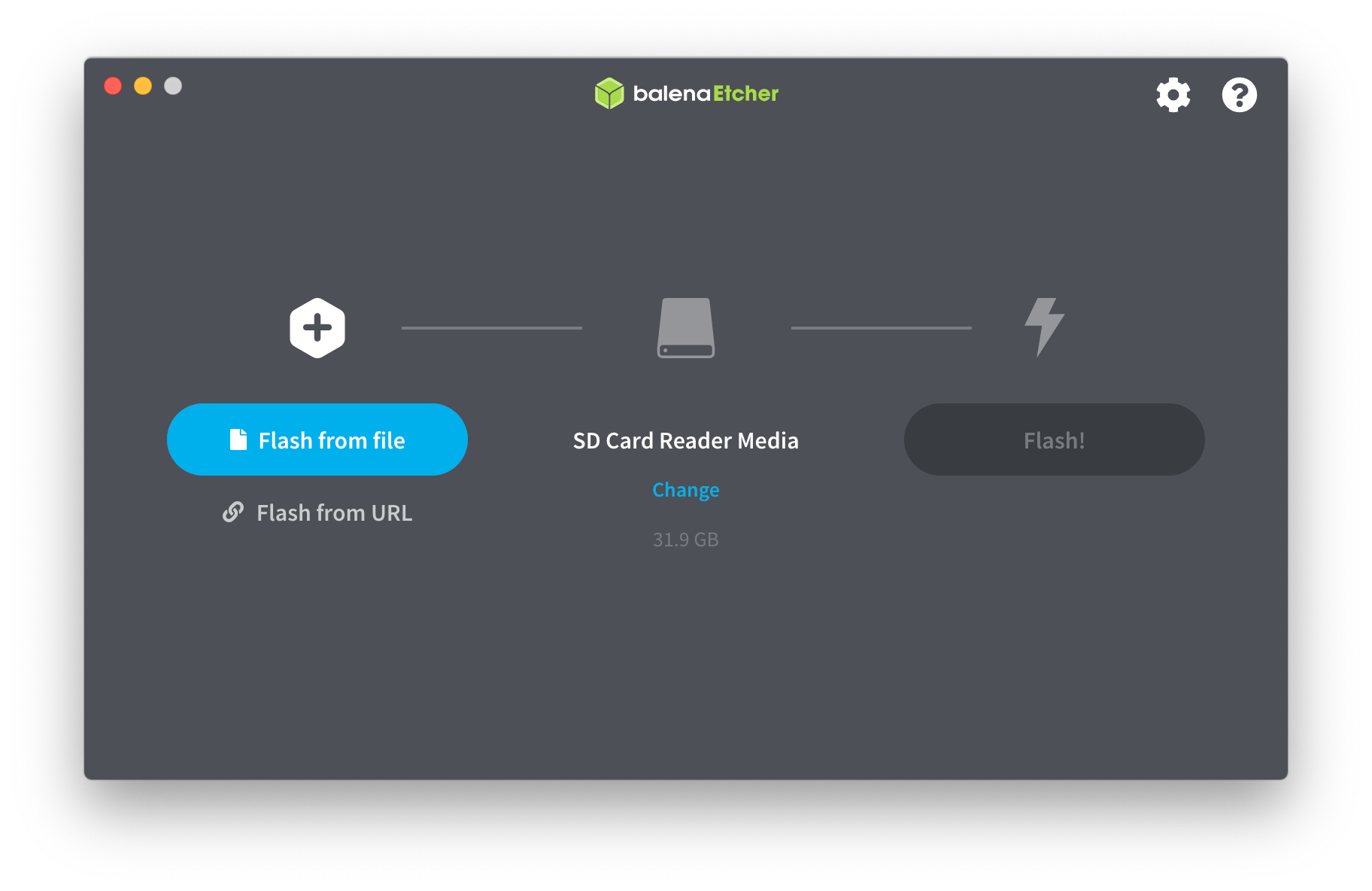
Our team flashes hundreds of SD Cards a calendar week while experimenting and deploying devices. Nosotros use Etcher, our open up source image flashing utility, that's quite popular in the community. Etcher can write Raspbian to an SD Menu for a Raspberry Pi, wink Ubuntu, Fedora, and other pop Linux distributions to USB drives to kicking a PC, or write out the contents of an existing deejay image for archival purposes.
Etcher is used millions of times per month to successfully write USB sticks and SD Cards. Unfortunately, in that location are some rare exceptions where a flash is unsuccessful, or, more commonly, a user flashes a Linux image merely then does not realize that their Windows or Mac PC tin can't read its contents. I see that scenario play out quite a bit on our Forums, and so I thought I'd take a few minutes to explicate the process of recovering a "broken" device.
The basics
First and foremost, Etcher is completely incapable of "bricking" or killing a drive-- it merely doesn't accept that kind of functionality. The awarding tin only write the contents of the provided image file byte-past-byte to the storage medium on the chosen device.
Unfortunately, SD Cards and USB drives absolutely can wear out, and have limited write cycles that they can sustain. One time the storage blocks on the device begin to neglect, the drive may certainly become unusable if it does not have some wear leveling built in that can compensate for the failing blocks and movement the data to salubrious blocks.
To be more precise, Etcher attempts to write data, the drive accepts the data to be written, simply the storage bins responsible for keeping all the 1'due south and 0's don't do their task and permanently concur the data. Ii things can occur here:
The flash fails (either during the "writing stage," or later, in the "verification" phase): Etcher reports that the flash was unsuccessful. If the flash fails during the "writing" stage, the drive is probably dying, and it may be time for a new one. Verification stage errors probable indicate faulty sectors on the device. Windows users may become a false-positive result here on occasion though, as Windows creates a binder on the drive in between the writing and verification stages.
The drive doesn't realize that the information did not persist or go safely stored in each cell, and happily reports that things completed successfully! Simply when you go to utilize the drive later and Ubuntu, Raspbian, or another operating arrangement expects to find data in a specific location, and and so that data isn't there, it'south not going to be very happy. The installation process could halt, the Raspberry Pi might not boot, or other types of system crashes could occur. Again, it's likely that you might be in need of a new drive, though sometimes re-flashing can help, and data that didn't stick the outset time might just stick the second time.
Alternatively, as mentioned before, the other common "dead" device that we see on a regular basis is actually not dead at all: information technology'southward just not recognized and understood by your computer. If you think you might exist in this situation, hither are some tips to aid you lot regain access to your device.
How to Recover a USB Drive or SD Menu
Using Windows
The method you lot apply to restore a device depends upon the operating system your computer uses. Permit's showtime off with Windows.
In Windows, y'all'll need to employ the diskpart utility, which is a tool that comes built into Windows, though y'all'll need to use the command line to brand use of it.
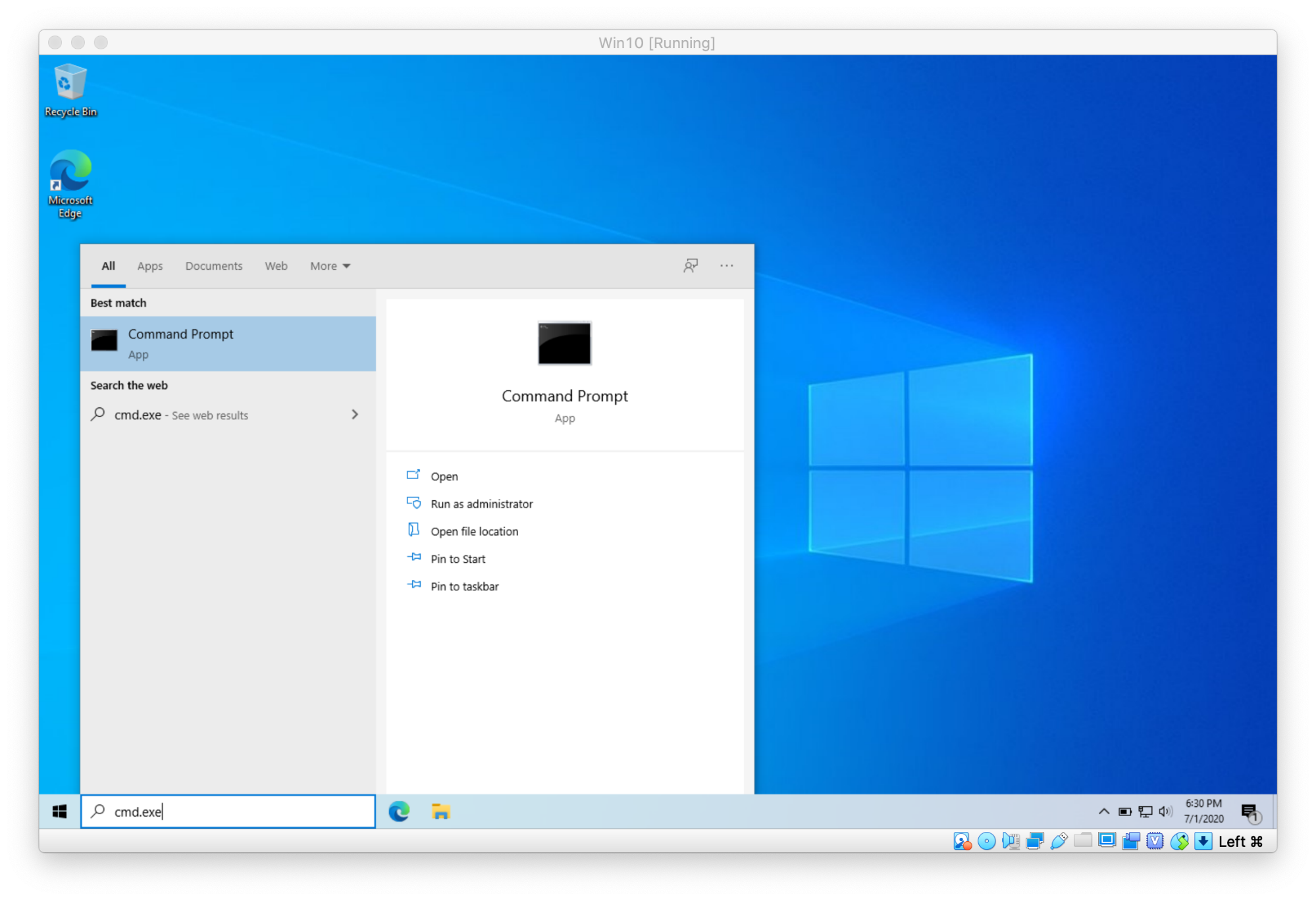
Open cmd.exe from the listing of installed applications, or from the "Run..." dialog usually accessible by pressing Ctrl+X. Type 'cmd.exe' without the quotes, and printing Enter.
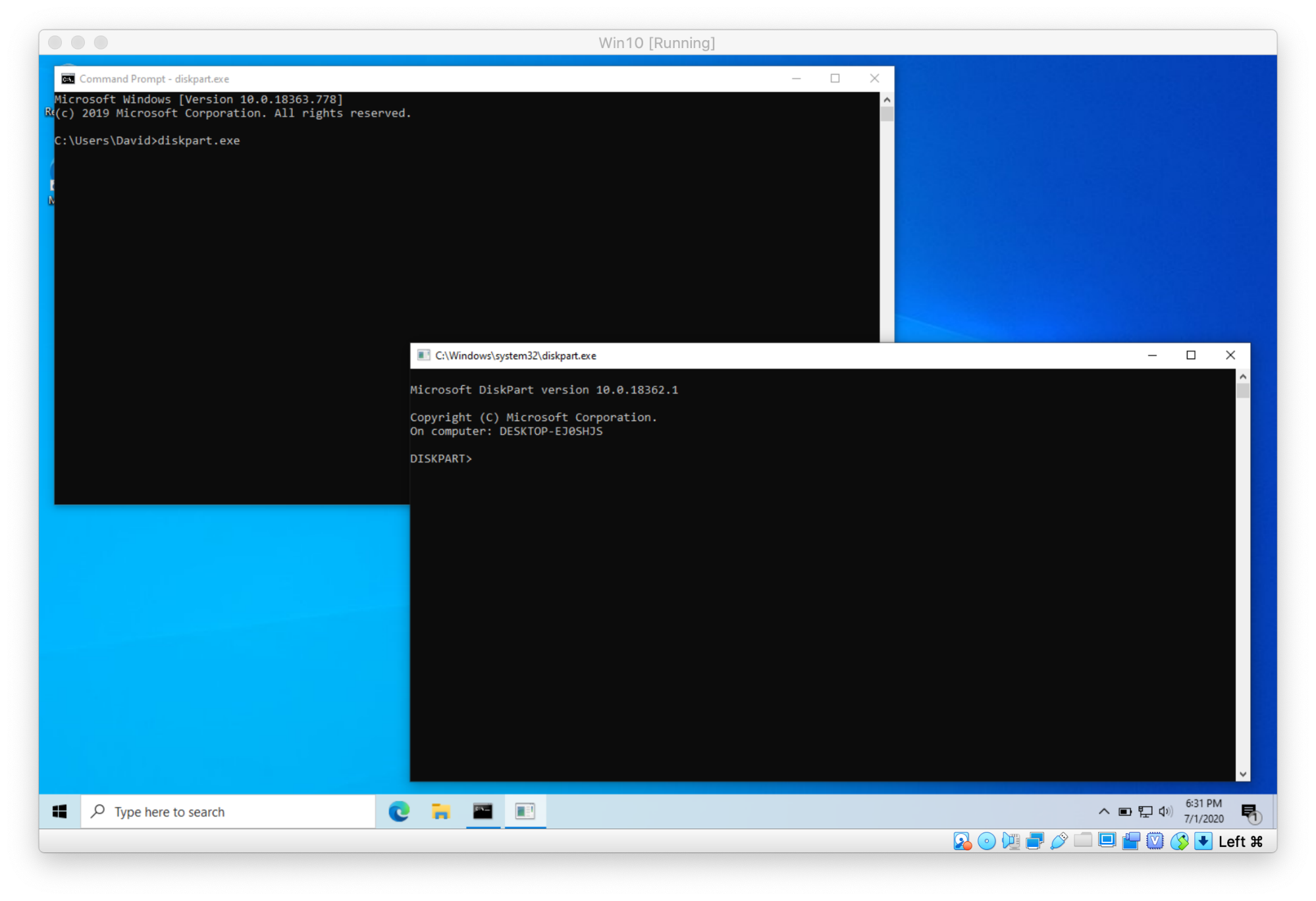
In the resulting final window, blazon diskpart.exe and press Enter. Yous'll be asked to provide administrator permissions, and a new prompt window will appear. The post-obit commands should exist run in the new window.
Run listing deejay to list the bachelor drives. Accept note of the Number ID that identifies the drive yous want to recover. In this screenshot, "Bulldoze 2" is the attached 32gb SD Card that I want to recover:
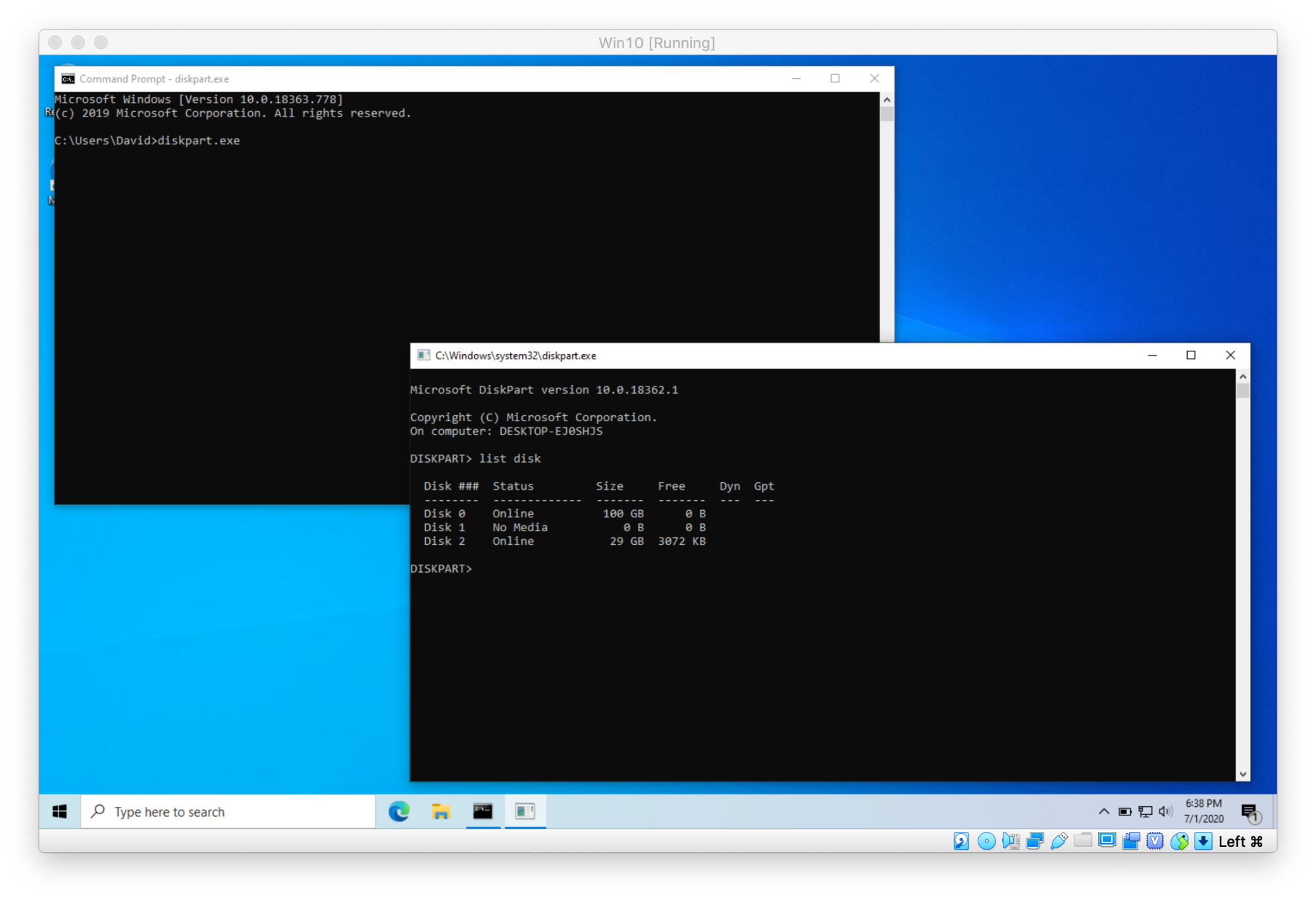
Run select deejay N, where N corresponds to the ID from the previous footstep. And then, run make clean. This command volition completely clean your drive by erasing whatever existing file organization.
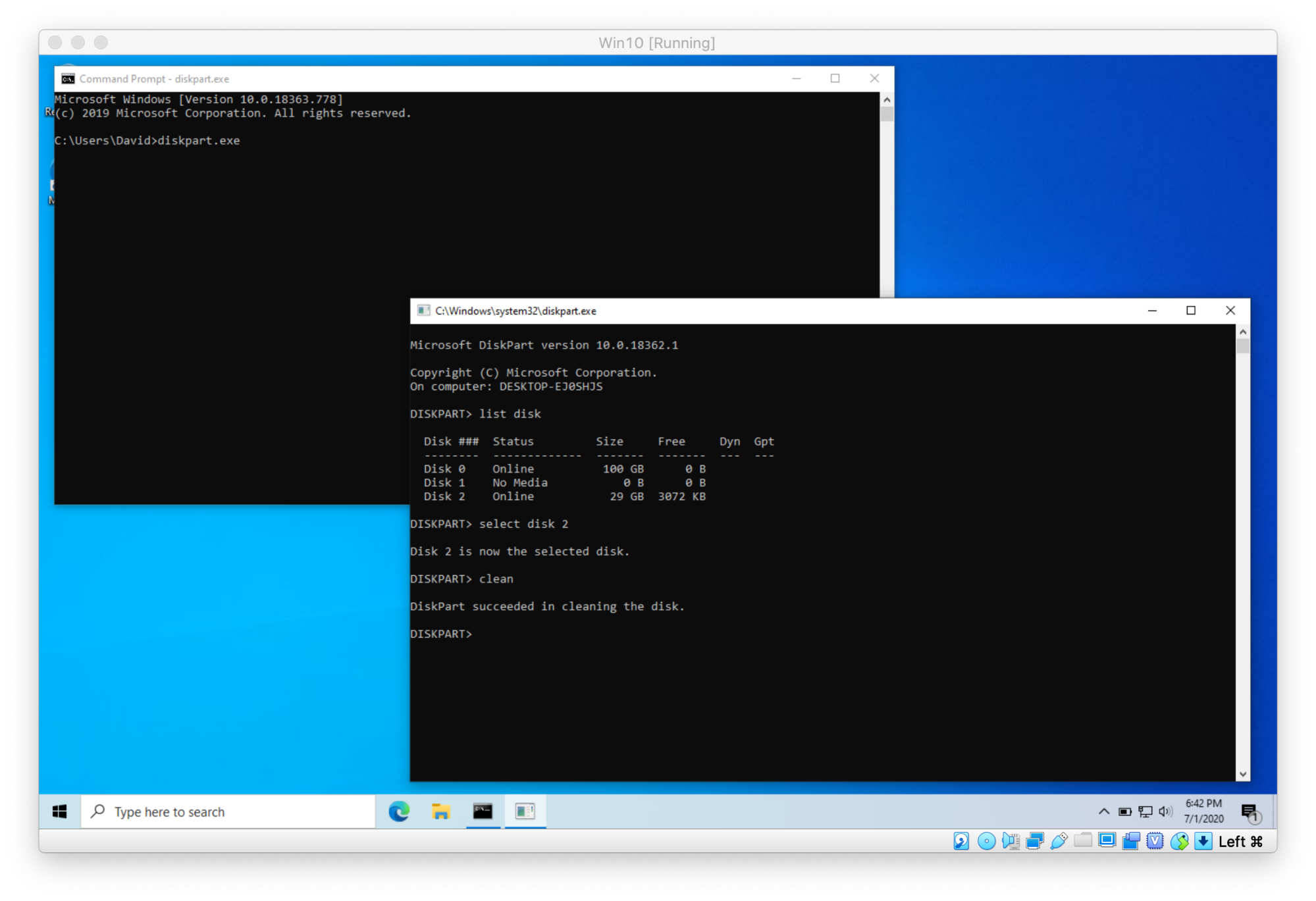
At this point the drive is now blank, and can be re-flashed with Etcher. Or, you lot can add a division back to information technology and format it, so that it acts like a normal storage device. Exercise the following:
- Type
create partitioning primary - Type
select partition 1 - Type
format quick
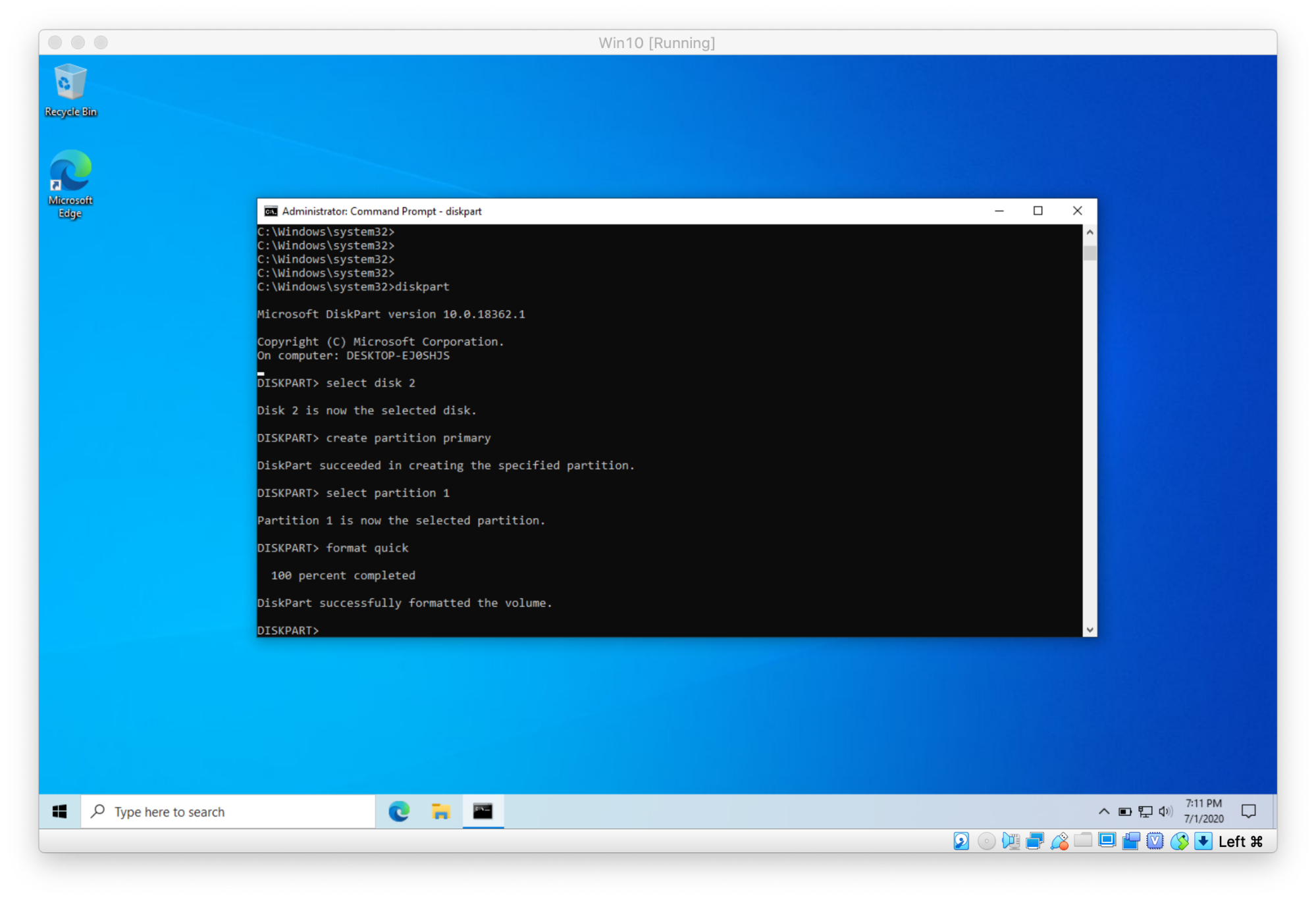
In one case successfully formatted, you should be able to use your USB drive or SD card again.
Using MacOS
Follow these instructions if you're using MacOS. Start by opening the Last application by going to the Finder, navigating to the Utilities folder, and double-clicking Concluding.
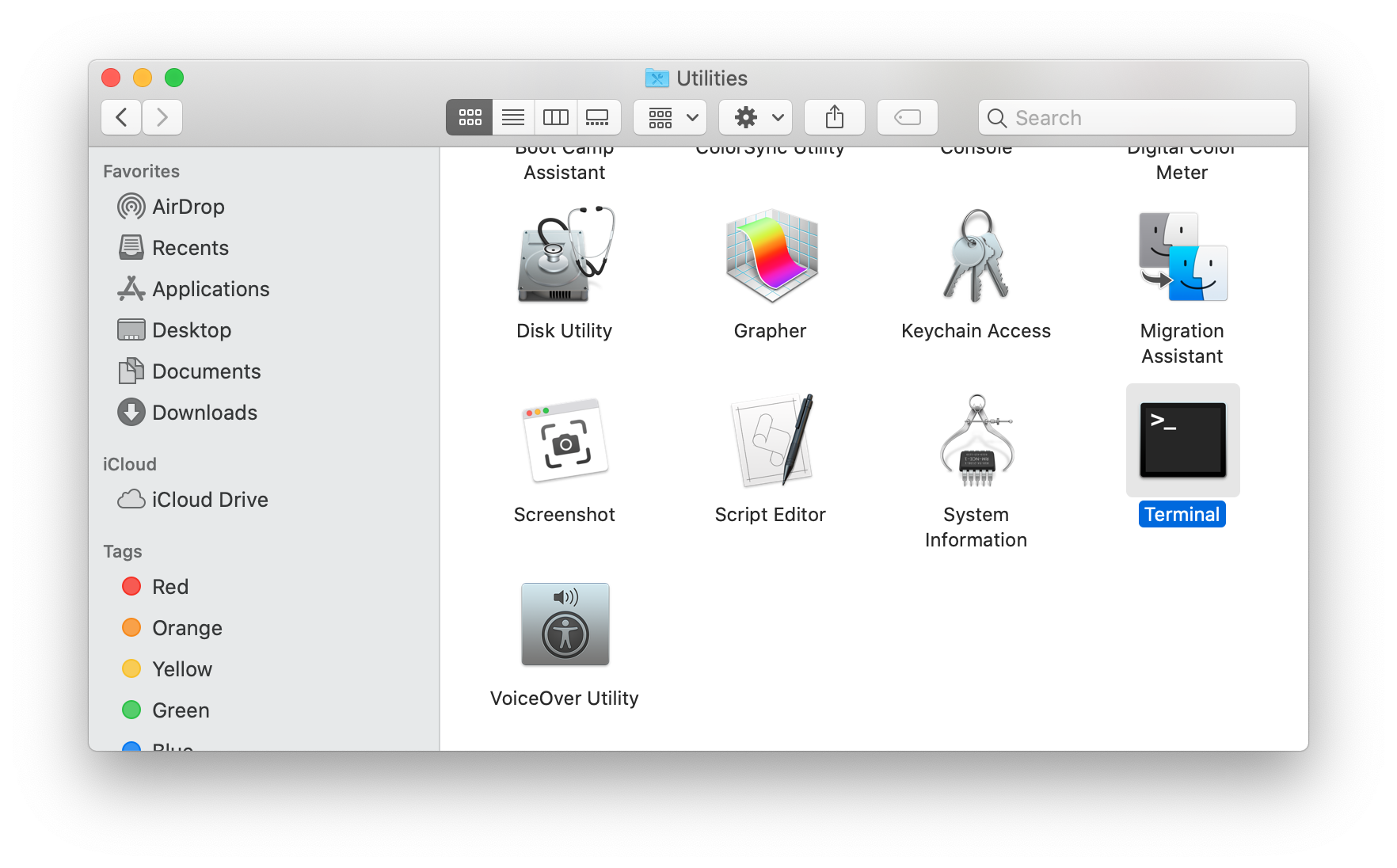
Type diskutil listing and press Enter. You will encounter the drives listed, just look for the one that matches your device and make note of the "Identifier" on the right side. In this case, you tin can meet a 32gb SD Card is "disk2".
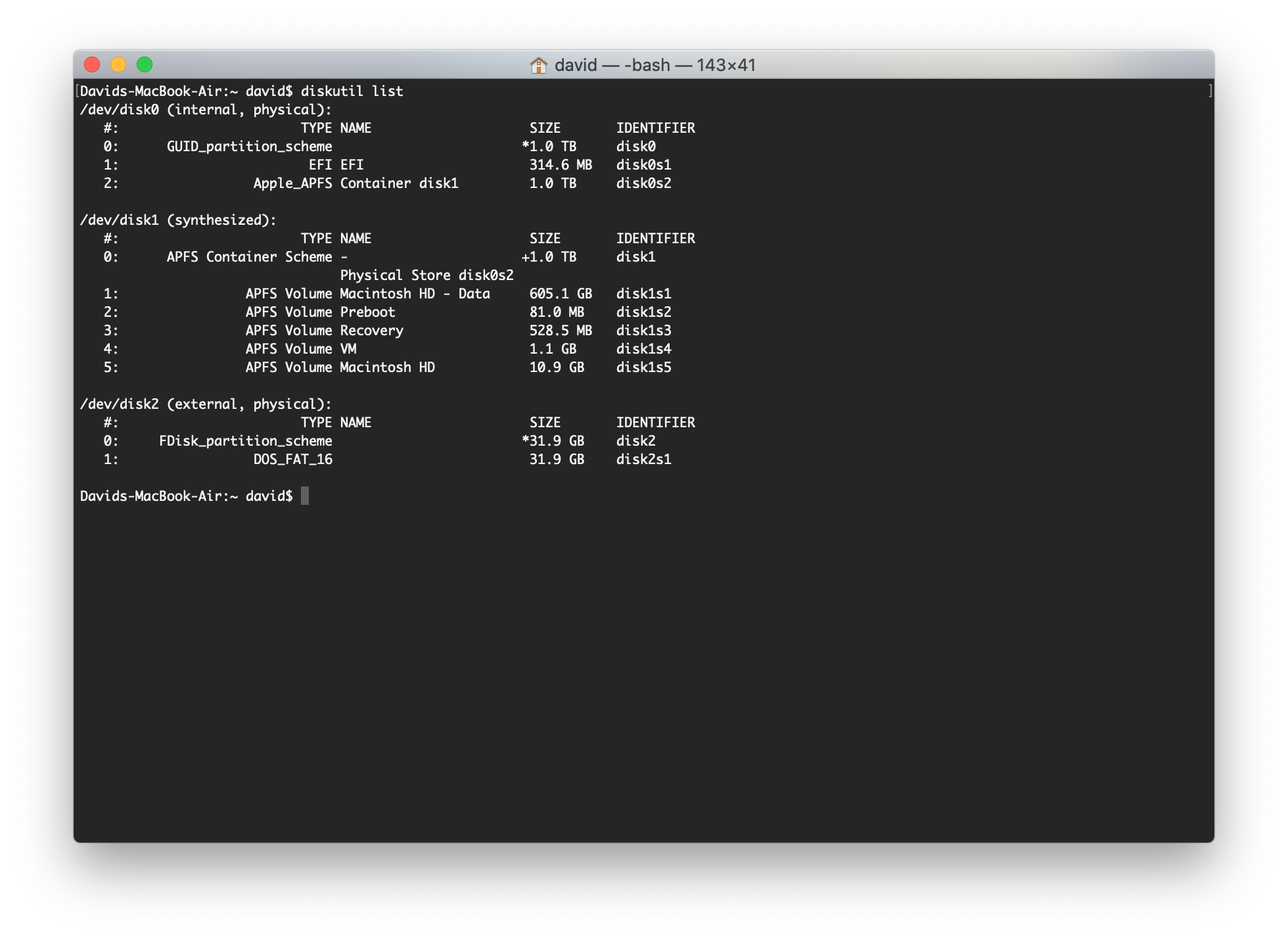
Type diskutil eraseDisk FAT32 UNTITLED MBRFormat /dev/diskN where the "Due north" is the value shown in the previous command. So in this example, 'disk2' is the 1 that we demand to utilize.
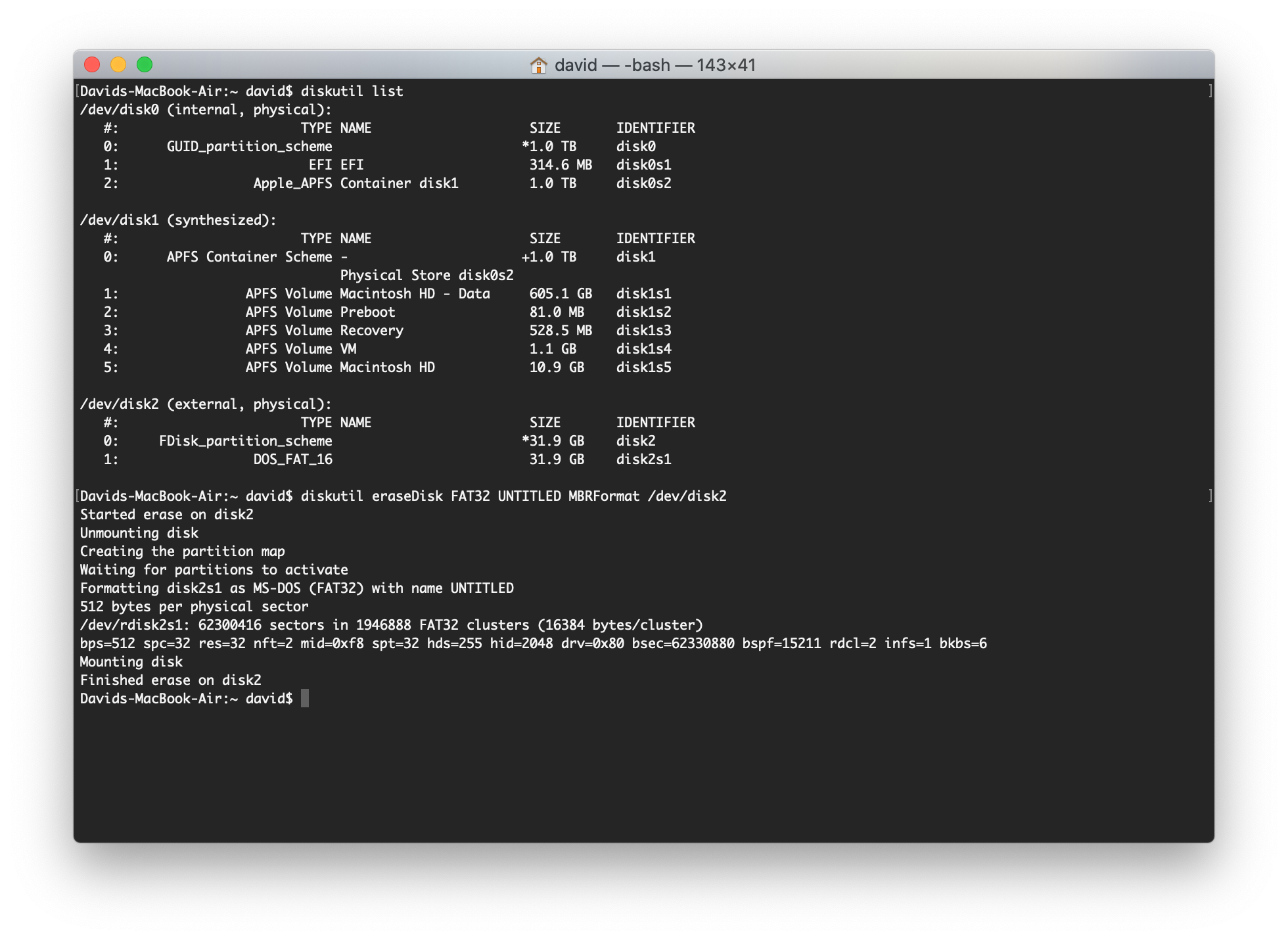
Seeing similar results means that this bulldoze should exist fix to use once more.
Using Linux
Make certain the drive is unmounted (umount /dev/xxx), and run the post-obit command as root, replacing xxx by your actual device path:
dd if =/dev/zero of =/dev/30 bs = 512 count = 1 conv =notrunc We hope this helps restore your drive
At this point you have reset and restored your USB stick or SD card dorsum to a working condition, assuming it was simply in a corrupt state or was non being recognized by your operating system.
Yet, as explained above, the long-term memory blocks on SD Cards and USB sticks can and do wear out, especially when repeatedly undergoing intense information-writing operations such as image flashes (as opposed to occasional writing of files and folders in the traditional portable storage use-case).
The flash cells used in these devices are typically cheaper quality, and just don't seem to have the storage integrity and reliability that enterprise grade spinning disks and SSD'southward accept, ultimately meaning data is non saved as information technology should be. Etcher will simply try to copy the data in a block-past-block fashion from the image file in apply, but if the storage block doesn't have the bits and bytes, data corruption tin occur and it may exist time for a new drive.
Hopefully these steps can help in situations where a bad flash has occurred though, and get you back on your way to deploying Raspberry Pi's or other IoT devices!
Source: https://www.balena.io/blog/did-etcher-break-my-usb-sd-card/
0 Response to "Galaxy S5 Asking for Sd Card Permission Again and Again"
ارسال یک نظر